Designing A Low Energy Home Office
Whether you're a remote worker, a freelancer, or someone who just likes to have a cozy spot at home to catch up on emails and projects, having an energy-efficient home office can make a big difference in your comfort and productivity. Designing a low-energy home office doesn't have to be complicated or expensive. By making some simple changes to your space and habits, you can create an environment that is both inviting and eco-friendly.
Ingredients
Instructions
-
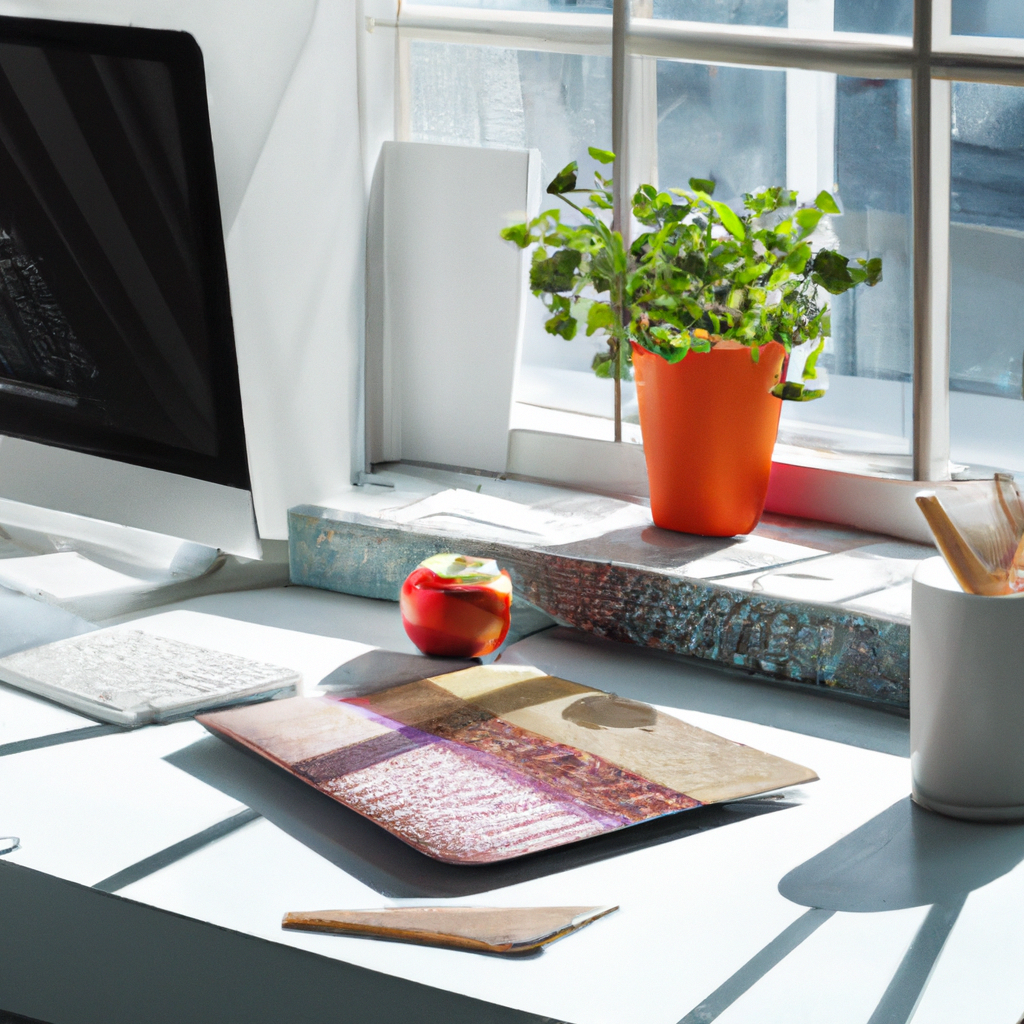
Position your desk near a window to take advantage of natural light
-
Consider using curtains or blinds to control the amount of light
-
Opt for energy-efficient LED bulbs for artificial lighting
-
Use power strips to easily turn off multiple devices
-
Look for ENERGY STAR rated office equipment
-
Set your devices to sleep mode when not in use
-
Properly insulate and seal your office
-
Use a programmable thermostat to manage temperature
-
Choose sustainable furniture and incorporate indoor plants
-
Power down devices and lights when not in use
Nutrition Facts
Serving size: 1 home office- Calories
- 0 kcal
- Total Fat
- 0 g
- Saturated Fat
- 0 g
- Cholesterol
- 0 mg
- Sodium
- 0 mg
- Total Carbohydrate
- 0 g
- Dietary Fiber
- 0 g
- Sugars
- 0 g
- Protein
- 0 g
Designing a low-energy home office is a worthwhile investment in your comfort, productivity, and the environment. By making conscious choices in lighting, electronics, temperature control, furniture, and habits, you can create a space that is both energy-efficient and inviting. Start small with these tips and build upon them to transform your home office into a cozy, eco-friendly sanctuary where you can thrive.