Homemade Sauerkraut Recipe Delve Into Fermentation
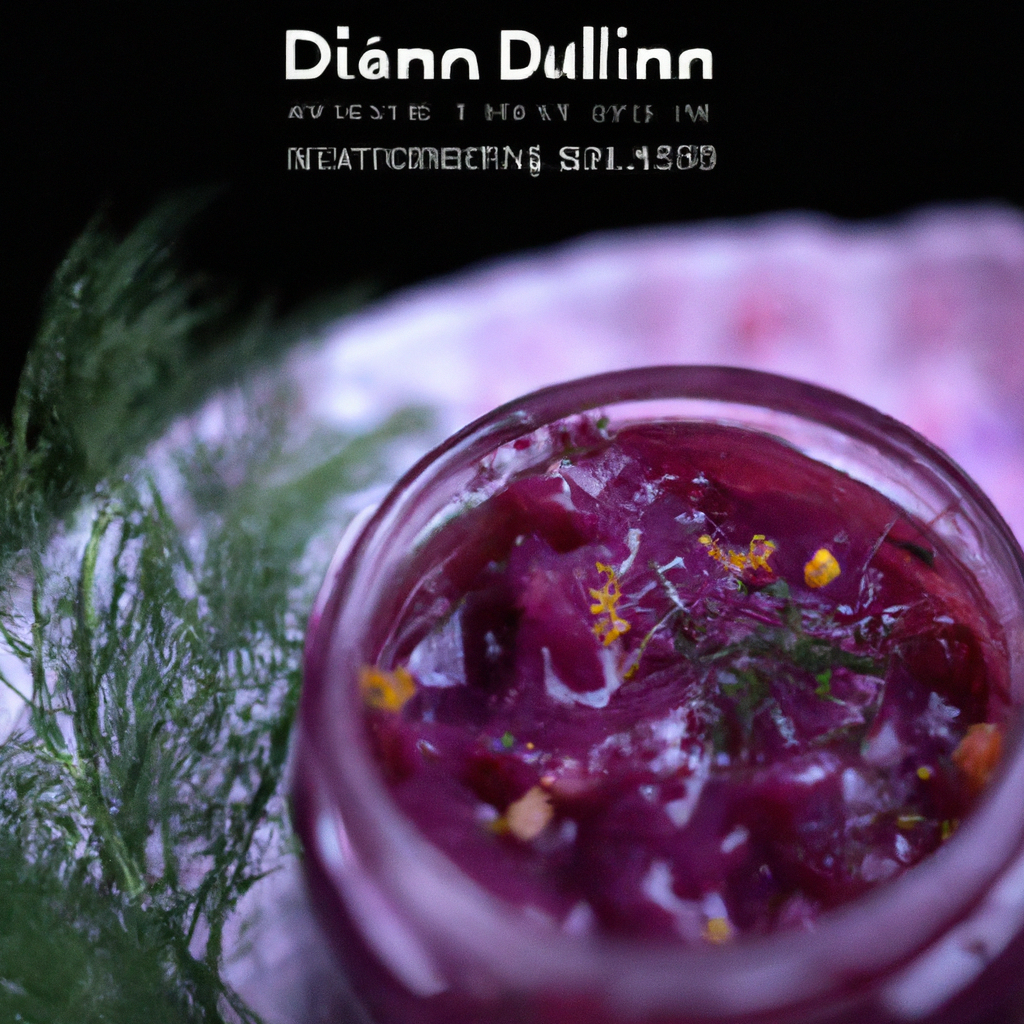
If you're looking to expand your culinary horizons and delve into the world of fermentation, making homemade sauerkraut is a fantastic place to start. Not only is it incredibly simple to make, but it's also a delicious and nutritious addition to your meals. This tangy and crunchy condiment is packed with gut-friendly probiotics that can support your digestive health. Plus, the process of fermenting cabbage is surprisingly satisfying and rewarding. So, put on your apron and get ready to transform a humble cabbage into a flavorful creation with this Homemade Sauerkraut recipe.
Ingredients
Instructions
-
Remove any outer wilted leaves from the cabbage. Cut the cabbage into quarters and remove the core. Thinly slice the cabbage using a sharp knife or a mandoline slicer.
-
Place the sliced cabbage in a large mixing bowl. Sprinkle the salt over the cabbage. Massage the salt into the cabbage using your hands, squeezing and pressing the cabbage to help release its natural juices. Continue massaging for about 5-10 minutes until the cabbage has softened slightly and released enough liquid to cover it.
-
Transfer the cabbage and its juices into a clean glass jar. Use a wooden spoon or your hands to pack the cabbage tightly into the jar, releasing any air bubbles as you go. Pour any remaining liquid from the bowl into the jar. The cabbage should be fully submerged in its juices. Leave some space at the top of the jar to allow for expansion during fermentation.
-
Cover the jar with a clean cloth or paper towel secured with a rubber band to allow air to flow while keeping dust out. Place the jar in a cool, dark place away from direct sunlight. Let the cabbage ferment for at least 1-2 weeks, depending on your preference for the level of sourness. Check the sauerkraut every few days, pressing it down to ensure it remains submerged in the brine.
-
Once the sauerkraut reaches your desired level of tanginess, you can transfer it to the refrigerator. This will slow down the fermentation process and preserve the sauerkraut. You can enjoy it as a topping for hot dogs, sandwiches, salads, or eaten straight out of the jar for a flavorful and crunchy treat.
-
For added flavor, you can customize your sauerkraut by adding caraway seeds, juniper berries, or other spices before fermenting. Get creative and experiment with different seasonings to find your favorite combination.
Nutrition Facts
Serving size: 1 serving (100g)- Calories
- 50 kcal
- Total Fat
- 0.3 g
- Saturated Fat
- 0.1 g
- Cholesterol
- 0 mg
- Sodium
- 1180 mg
- Total Carbohydrate
- 11.5 g
- Dietary Fiber
- 4.1 g
- Sugars
- 5.8 g
- Protein
- 2.2 g
And there you have it - your very own jar of homemade sauerkraut, ready to elevate your meals with its tangy crunch and probiotic goodness. Fermenting foods at home is not only a fun and rewarding culinary adventure but also a great way to support your gut health. So, grab a cabbage, some salt, and a jar, and get ready to savor the taste of your homemade creation. Enjoy!